
The “why” and “how” of dark skies
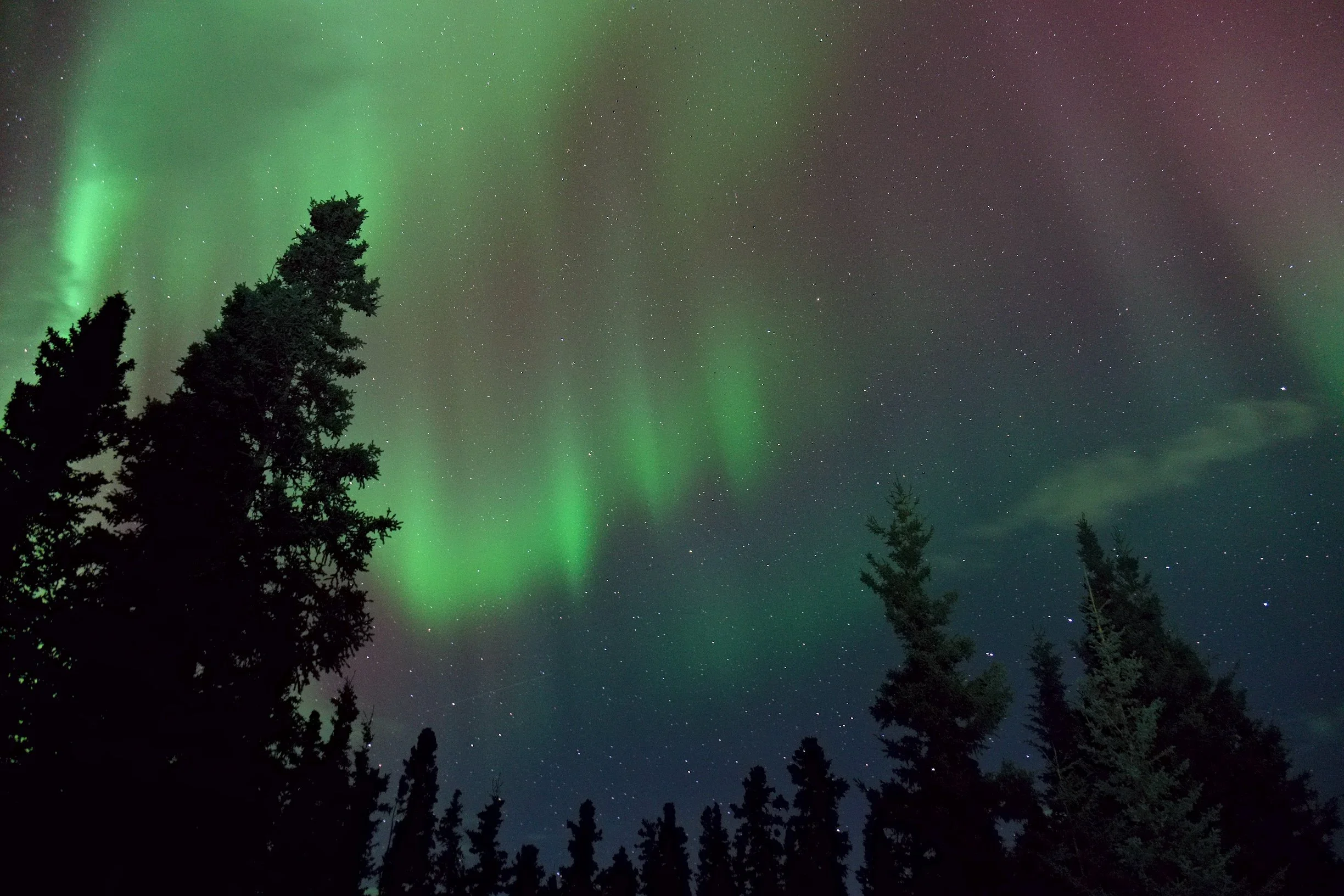
Cover photo: MikoFox
“Environmentally Conscious Lighting” presentation
Recorded presentation by Sam Saeger and Scott Lind, February 2026
Learn how light pollution affects wildlife, human health and our ability to experience the night sky. This presentation will introduce simple, environmentally conscious actions that anyone can take to help restore natural darkness in their community.
This presentation is by Sam Saeger (Dark Sky Wisconsin) and Scott Lind (Kickapoo Valley Dark Sky Initiative)
In the presentation:
What is light pollution: 2:10
Night and wildlife: 3:50
Night and the environment: 7:28
Night and humans: 8:08
Safety and technology: 12:20
Talking to your neighbors: 15:51
Solutions: 17:23
Q&A session: 35.:28
Key steps for reducing light pollution near you
Audit your home, neighborhood, and community to see where light is directed out and/or up, AND where lightbulbs use a cool/white color temperature.
Replace your light fixtures to be fully shielded and lightbulbs to be 2200K in color temperature.
Talk to your neighbors, local businesses and community members about replacing their fixtures and lightbulbs to reduce light pollution.
Share resources and materials with your community members, like those provided by Lights Out Wisconsin and Dark Sky International.

How light pollution harms wildlife, people, and the environment
ENERGY USE: At least 30% of all outdoor lighting in the US is wasted by not using shielded lights.
Most of that light waste is due to light fixtures that allow light to shine up, out, and all around, rather than pointing it down to the ground where it is intended. That wasted energy comes with wasted carbon emissions and cost! These light fixtures not only waste energy, but also create hazardous conditions for drivers, unpleasant experiences for neighbors, and disrupts circadian rhythms among living creatures.
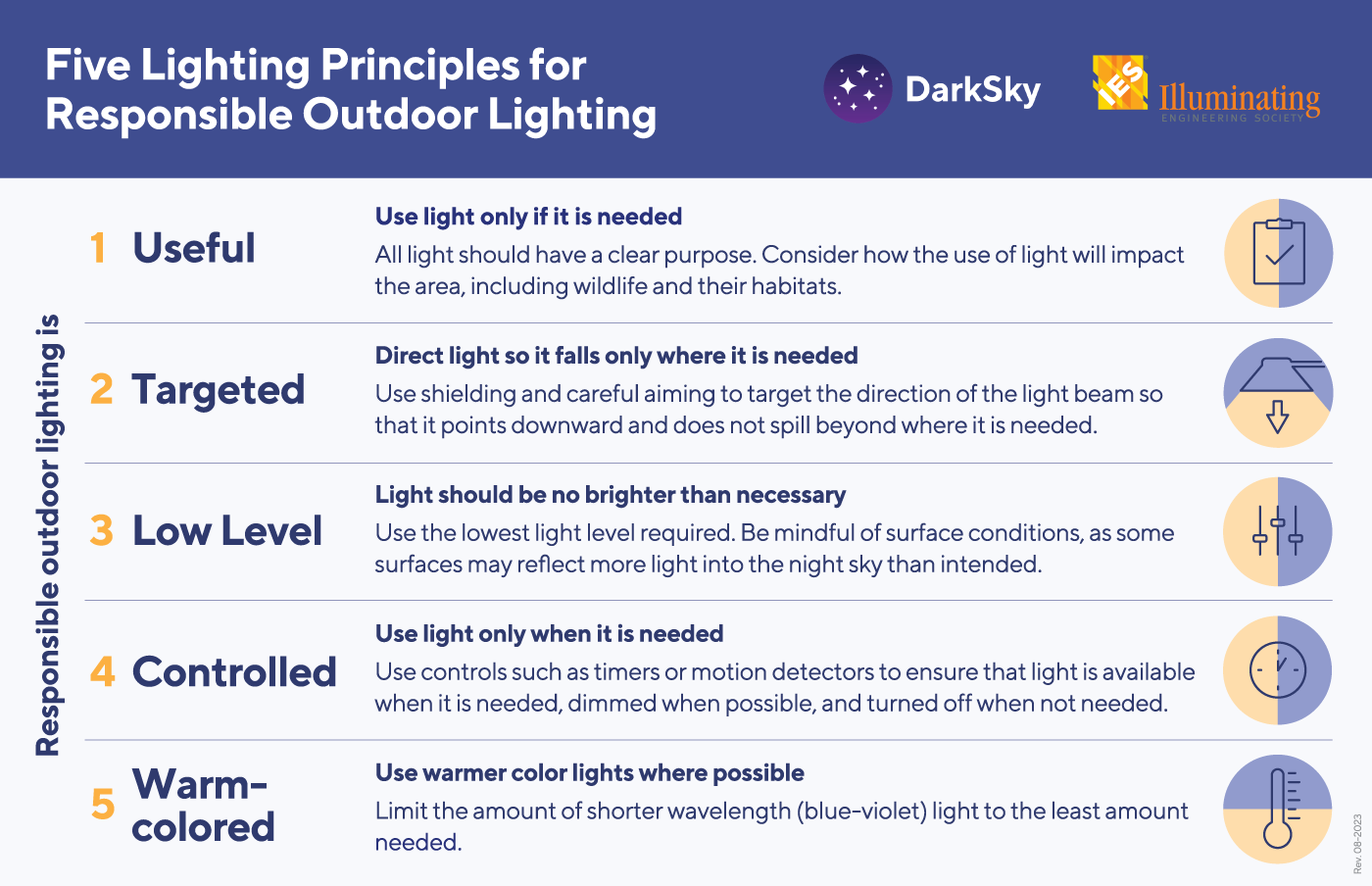
Solutions: turn off outdoor lights year round, or swap out your light fixtures for fully shielded ones that direct light down, install timers or motion sensors to lights, and use lightbulbs that are 2200K or lower in color temperature.
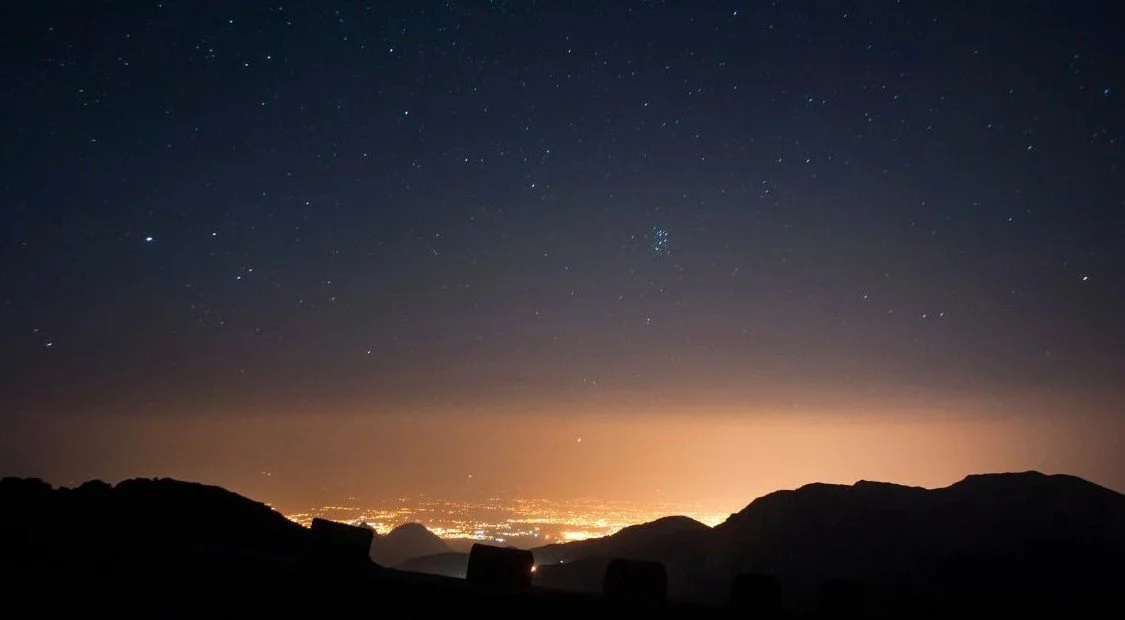
Skyglow by Dark Sky Texas
BIRDS: 80% of migratory birds migrate in the darkness of night, when the stars, moon, and magnetic fields are visible and predators are few.
Light pollution draws birds away from their migratory routes and toward lit areas where buildings with windows pose serious risks. Over 1 billion birds die every single year after colliding with windows, making this one of the biggest conservation issues birds face.
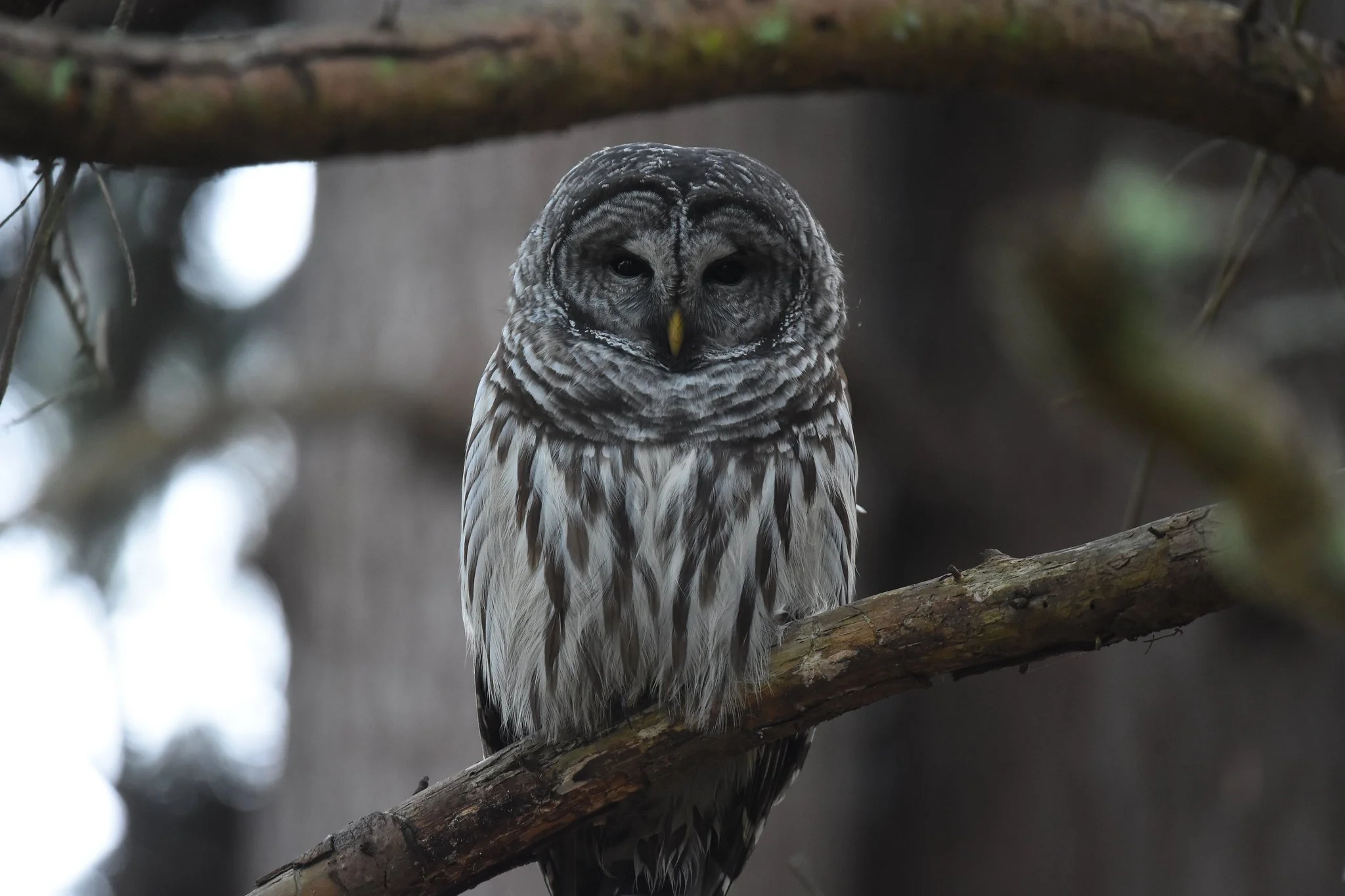
Additionally, nocturnal birds like owls rely on darkness to nest and hunt.
Solutions: turn off outdoor lights year round and especially during migration from 11pm-6am, and find window treatments that make glass more visible to birds but still usable by humans.
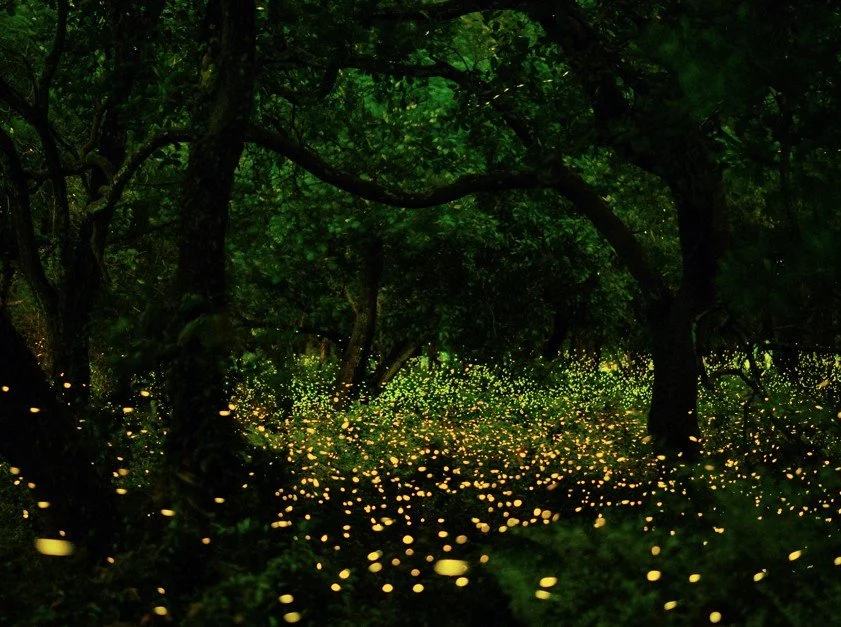
FIREFLIES: Lightning bugs and glow-worms use bioluminescent light signals to attract mates. Light pollution dilutes the darkness, making it harder for them to court potential partners.
In Wisconsin, adult fireflies are active from May through August. Dusk and the hours immediately following are the most important time of evening for firefly courtship, meaning the hours right after sunset are the best times to turn off exterior lights.
Additionally, other nocturnal insects like moths rely on darkness, as do the bats which eat them and the plants that are pollinated by them.
Solutions: turn off outdoor lights year round and especially from dusk to dawn during June, July, and August.