
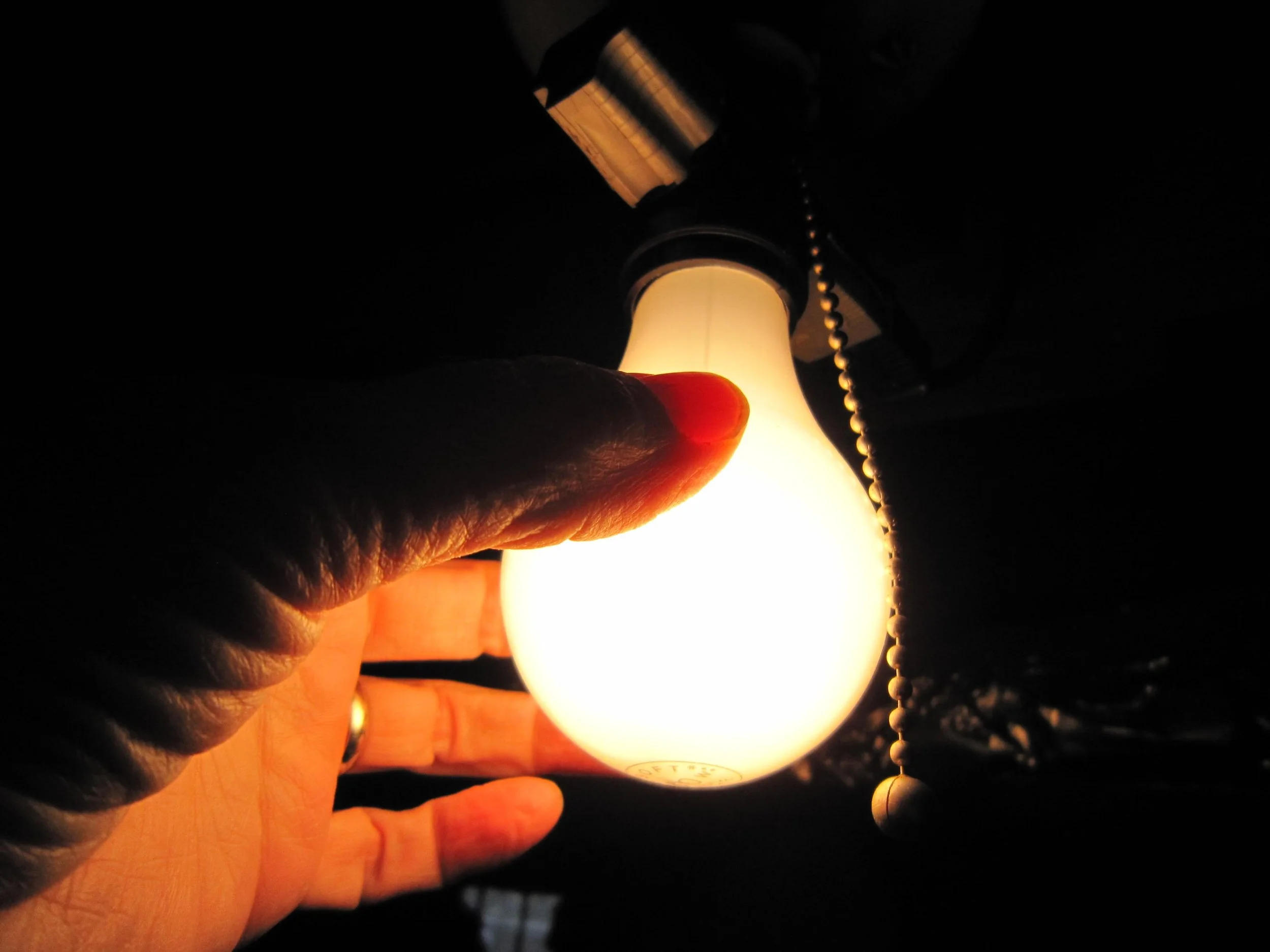
Photo by Kate Ter Haar CC by 2.0
Light pollution is one of the easiest environmental challenges to address.
By using outdoor lighting more thoughtfully, we can reduce impacts on wildlife, protect dark skies, and create safer, healthier communities.
Simple Steps to Reduce Light Pollution
Turn Off Unneccessary Lights
Turn off outdoor lights such as walkway lights or patio and garden lights when no one is outside. Reducing unnecessary lighting saves energy and helps restore natural darkness for wildlife.
Use Sheilded Fixtures
Choose fully shielded fixtures that direct light downward. This reduces skyglow, minimizes light trespass onto neighboring properties, and keeps light where it's actually needed.
Use Motion Sensors and Timers
Install motion sensors or timers so lights are only on when needed. These simple controls reduce unnecessary lighting while maintaining safety and convenience
Use Warm-colored Light
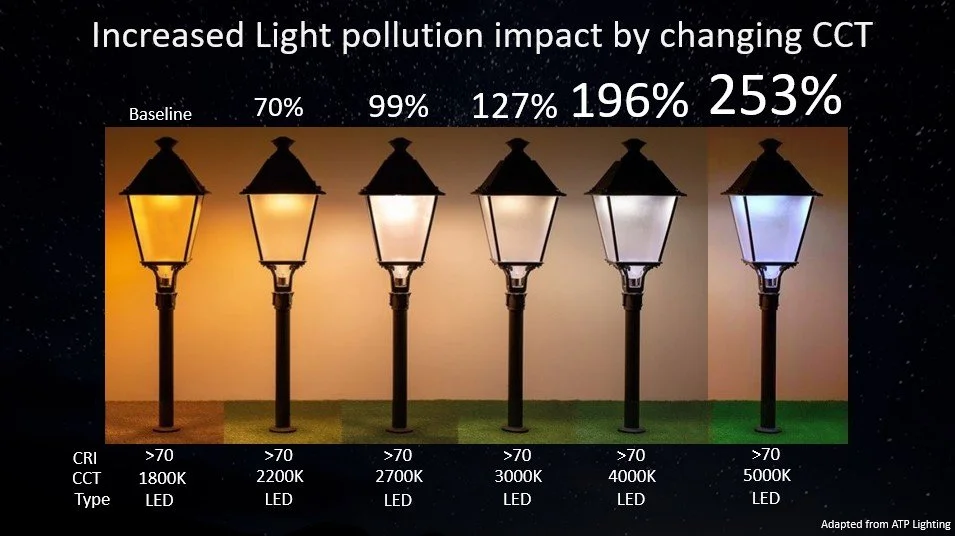
Select warm-colored bulbs (2200K or lower) whenever possible. Warm light contains less blue light, making it less disruptive to birds, insects, other wildlife and people.
Close blinds or curtains after dark to reduce the amount of indoor light that escapes outside. This simple habit helps limit unnecessary artificial light at night.
Close blinds at night
Aim Lights Only Where Required
Direct light only where it is needed, such as walkways or entryways. Avoid lighting trees, gardens, and other natural areas where birds and wildlife may be resting or feeding.
Resources
Take the Home Outdoor Lighting Assessment
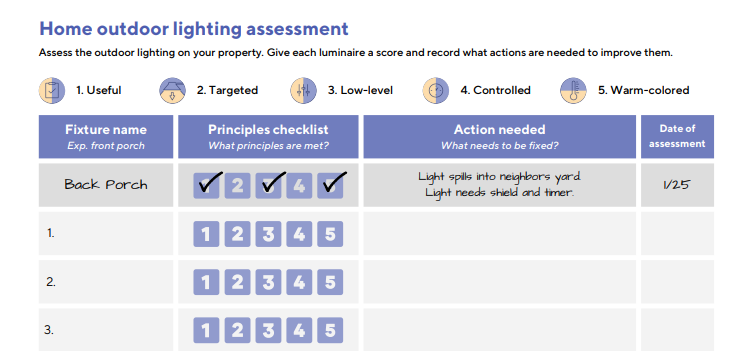
Use this form from Dark Sky International to inspect your home outdoor lighting and ensure you are lighting responsibly.
More and more responsible lighting options are becoming available, from low Kelvin (warmer colored) bulbs to shielded, DarkSky Approved Fixtures.
Explore the list of available bulbs available in store, compiled by Kickapoo Valley Dark Sky Initiative, and the available fixtures approved by DarkSky International
Choosing New Lighting
Photo by Andrew Carr CC BY-NC-ND
5 Principles for Responsible Outdoor Lighting
Follow these five principles from DarkSky International to reduce light pollution and make your lighting more wildlife- and people-friendly.
Is your lighting…
-
Ensure lighting has a clear purpose.
Ask yourself: Is this light truly needed?
Consider how the lighting will impact the surrounding area, including wildlife and their habitats
-
Keep light focused only where it is needed.
Choose fixtures that direct light downward and use shielding to prevent light from spilling into unnecessary areas.
-
Use the minimum brightness required.
-
Ensure lights are only on when needed.
Use tools like timers, dimmers, or motion sensors to reduce unnecessary lighting and avoid leaving lights on all night
-
Choose warmer-colored lighting when possible.
Warmer lights with less blue light are generally less disruptive to wildlife and human health.
1800K to 2200K are best, but be sure to stay under 3000K

Did you know?
Kelvin (K) and Correlated Color Temperature (CCT) describe the same thing.
CCT is measured in Kelvin and tells you how warm or cool a light appears. Lower values (1800K–2200K) produce a warmer, amber-colored light that is generally less disruptive to wildlife and people compared to cooler, blue-rich light.